Dance project 'UNUM' between Japan and the Netherlands explores an inclusive society. - Time Out
New connections are formed through dancing together as a family
October 6, 2026
Written by Time Out. In partnership with Embassy of the Kingdom of the Netherlands in Japan
Inclusive dance, in which diverse people dance together regardless of disability, age, gender, nationality, or other differences, has been attempted in numerous places, mainly in Europe and North America, since the 1980s. It is a practice that questions various boundaries and fixed ideas that exist in society through the physical expression of dance, and explores the possibility of different bodies coexisting.
“UNUM,” which was performed as part of the official Dutch program at the “2025 Japan International Exposition” (Osaka-Kansai Expo), is one such work that emerged from this practice. People from the Netherlands and Japan, with different cultures and backgrounds, came together to ask what kind of society everyone can participate in.
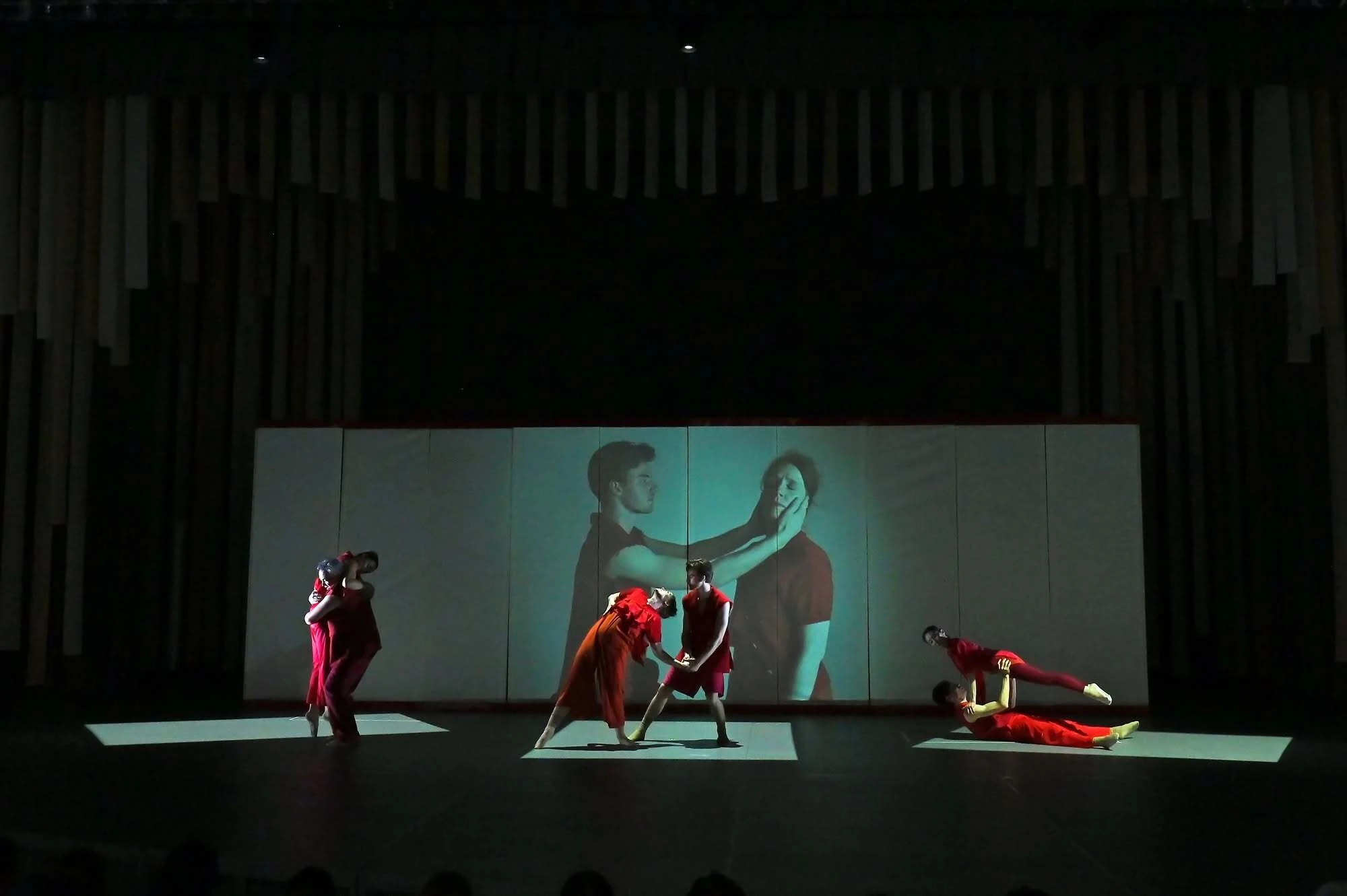
The choreography was handled by Adriaan Luteijn, choreographer and director of INTRODANS, one of the largest ballet companies in the Netherlands and a pioneer in inclusive dance. The other choreographer was Dai Matsuoka, artistic director of LAND FES, which has been promoting similar activities in Japan.
UNUM was born from the collaboration of two artists who had built their careers in their respective fields. The theme behind this was “Common Ground,” which was adopted by the Dutch Pavilion at the Osaka-Kansai Expo. The idea that people with different cultures and values meet, share with each other, and create new value resonates with the creative activities of both artists.
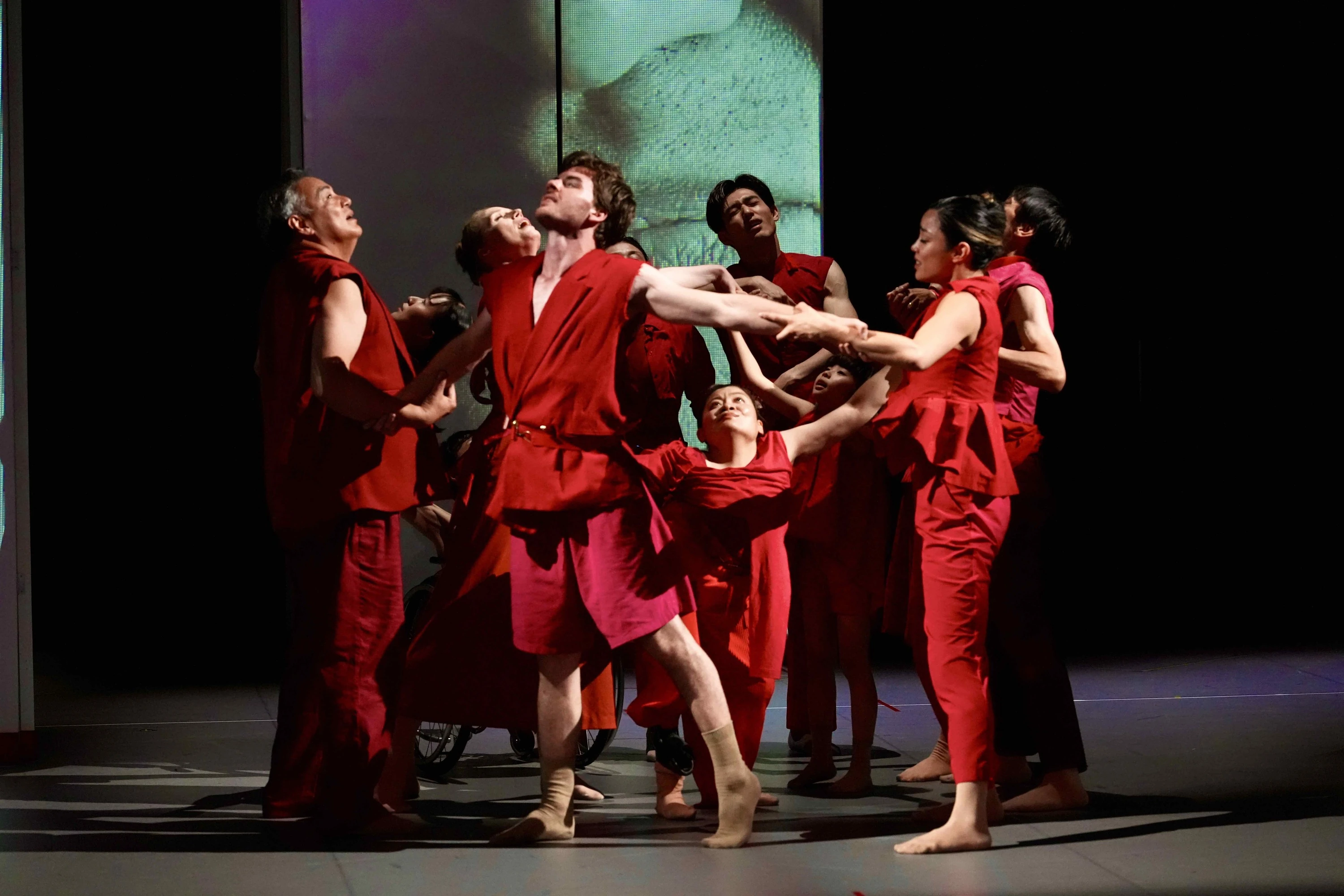
The theme the two parties chose for their collaboration was the relationship between parent and child. They began the project with the question: how can we use this familiar relationship as a starting point to consider how we interact with others who are different from us, and how we can live together while acknowledging each other’s differences?
Parents and children from both Japan and the Netherlands participated in the creation of the artwork. The participants included families with disabilities, professional dancers, and even those who were not dance professionals. In the creative process, instead of skilled individuals teaching and less skilled individuals simply adapting, each participant brought their own physical sensations and experiences, exchanging ideas to create a single, cohesive piece.
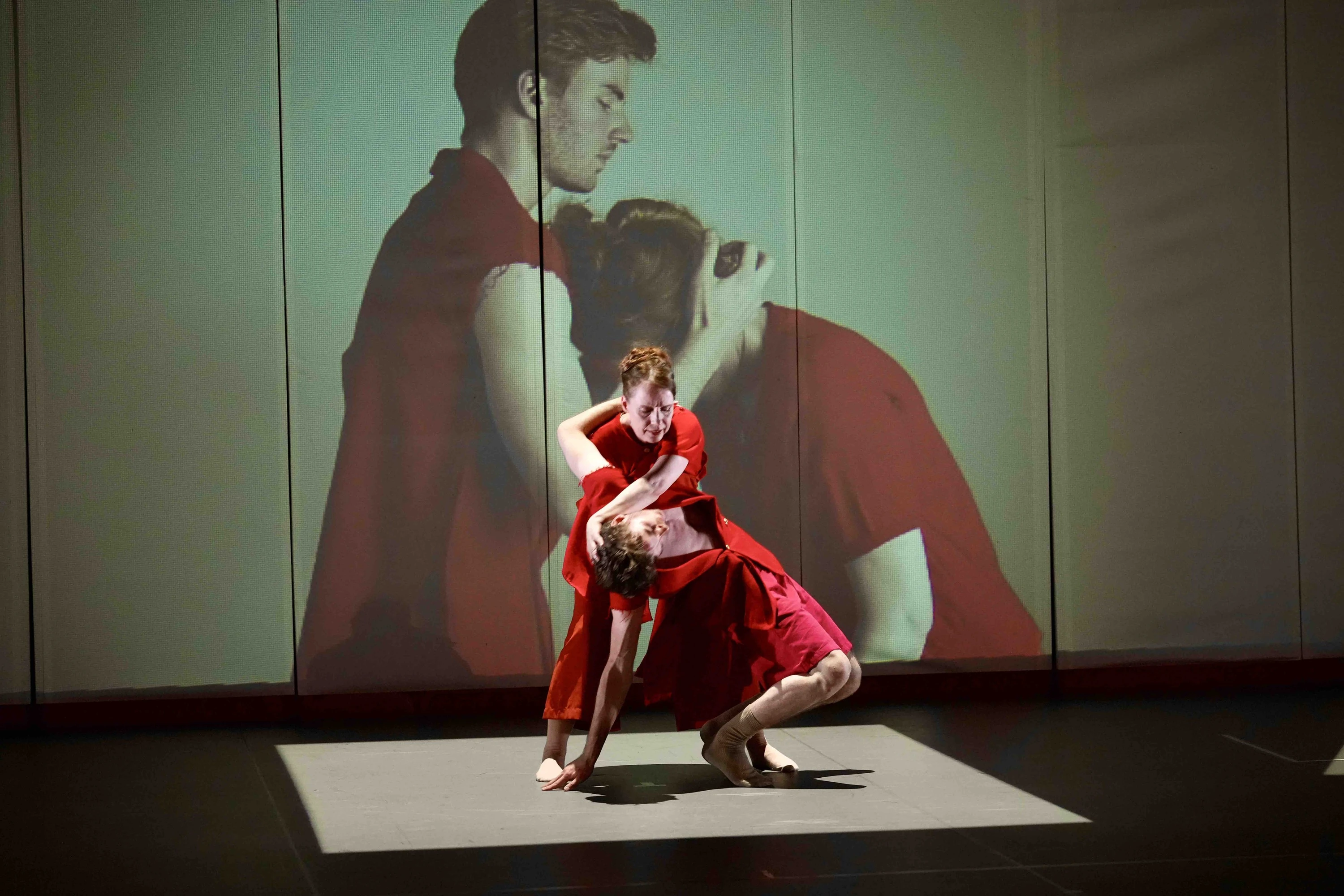
“Differences create conflict, and from that, new forms of physical expression are born.” Luteijn incorporates this idea into his choreography. Japan has relatively little physical contact in everyday life, while the Netherlands has a much closer relationship with parents. He explains how these different parent-child relationships have influenced his dance as follows:
“There are many cultural differences in parent-child relationships between the Netherlands and Japan. However, in both countries, there is a unique bond that arises precisely because they are parent and child, a connection that cannot be easily explained in words. Even if the cultures are different, the love between parents and children remains the same.”
Can you imagine dancing with your mother or father? Lifting your dad, sitting on your son, or doing crazy dances with your daughter? Dancing with your parents is a fascinating journey for any dancer. During the creation of UNUM, we saw parents and children tentatively moving their bodies, gradually closing the distance between them and deepening their relationship. It was the same in Japan and in the Netherlands.”
Physical contact between parents and children can sometimes feel a little awkward in everyday life, but by replacing it with dance, it gradually takes on a different meaning. What is emphasized when creating dance is not the removal of boundaries, but rather encountering various boundaries, such as one’s own physical and social boundaries, during the creative process.
Matsuoka and Lutein carefully guided the dancers to gradually push back those boundaries physically. In the process, they drew inspiration from the stories of the bond shared by each parent and child, and incorporated them into the dance.
“Dance, as an art form, has the power to create richer expressions by pushing the boundaries of reality. If those boundaries are not pushed—or at least not questioned—all art becomes merely decorative or kitschy.”
Parents and children move their bodies together as dancers, reacting to each other, and, guided by choreographers Matsuoka and Lutain, create the material for their movements. This process is the very heart of UNUM.
Inclusivity expanding from the stage to society
Matsuoka, who has explored the possibilities of people with different bodies and cultures creating expression together through inclusive dance productions such as UNUM, speaks about the challenges he has seen through his experience and the society he aims to create as follows:
“What I’ve come to realize through my involvement in these activities is that there is still very little room for people with disabilities to participate in the world of culture and arts. Simply having people with disabilities perform on stage is not enough to truly call it inclusive.”
“I think the proportion of people involved not only on stage, but also behind the scenes supporting the production, and those involved in choreography, direction, and decision-making, is still low. First of all, I hope that by watching works like UNUM, we can increase the number of people involved and broaden the avenues for participation, thereby eliminating prejudice and discrimination. I think that by continuing to dance, the number of people who take on these roles will naturally increase.”
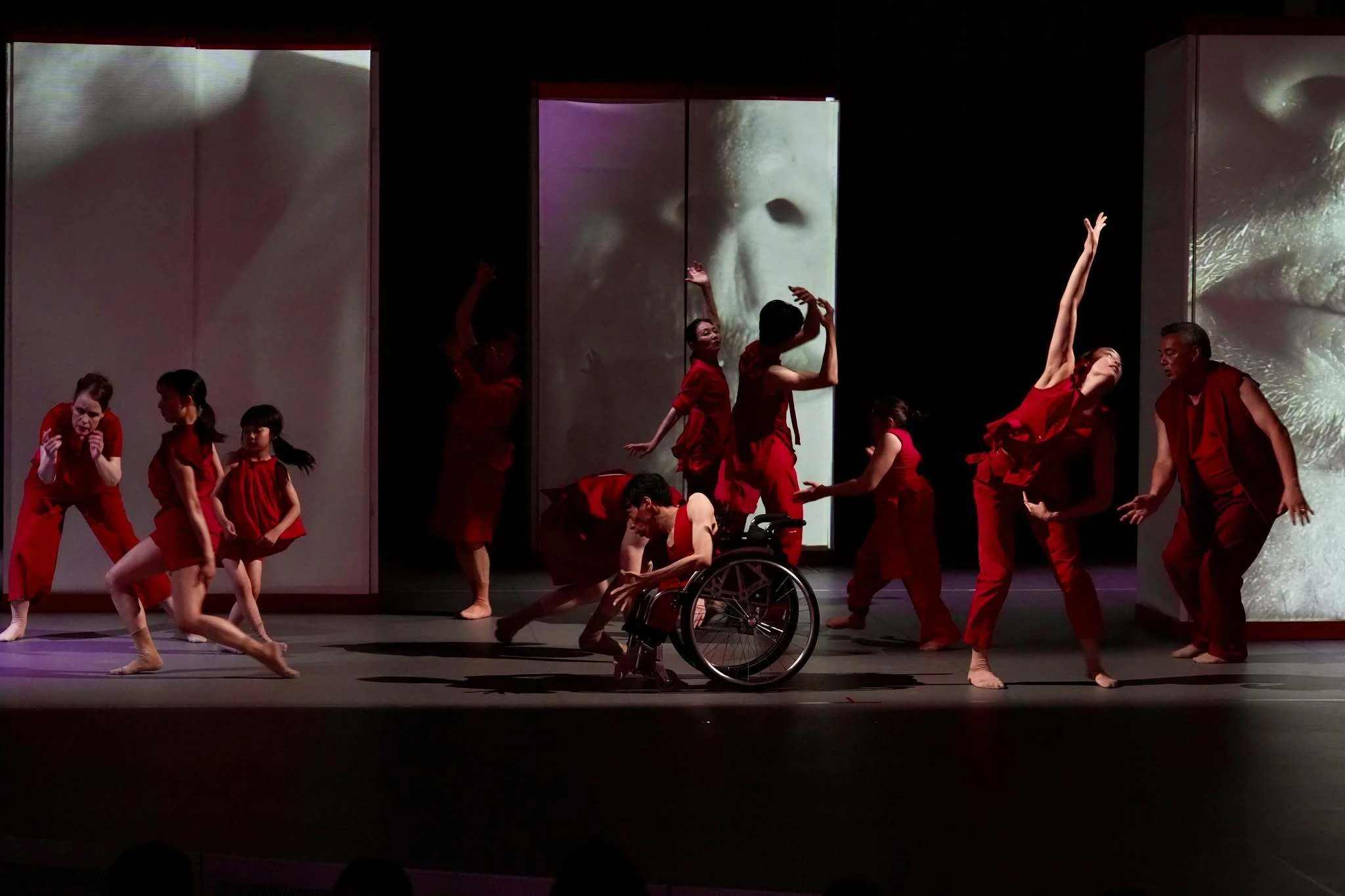
What lies beyond the awkwardness of parent-child dancing
It wasn’t just the performers who pushed boundaries through UNUM. For the two artists from Japan and the Netherlands, with their different cultural backgrounds, this cross-border collaboration provided an opportunity to broaden each other’s expressions and values.
For Matsuoka, UNUM was his first experience co-directing with a choreographer from overseas. Working with Lutain, who has a different style and nationality, the two respected each other’s strengths and built a relationship of trust so strong that they called each other “brothers,” without being bound by any sense of competition, and created the work through repeated dialogue.
Lutein says that experiencing Japanese culture, art, and work ethic was a very special experience for him as well. UNUM, in which two people from different backgrounds pushed each other’s boundaries and created new forms of expression, can be said to have embodied the concept of a common ground in its creative process.
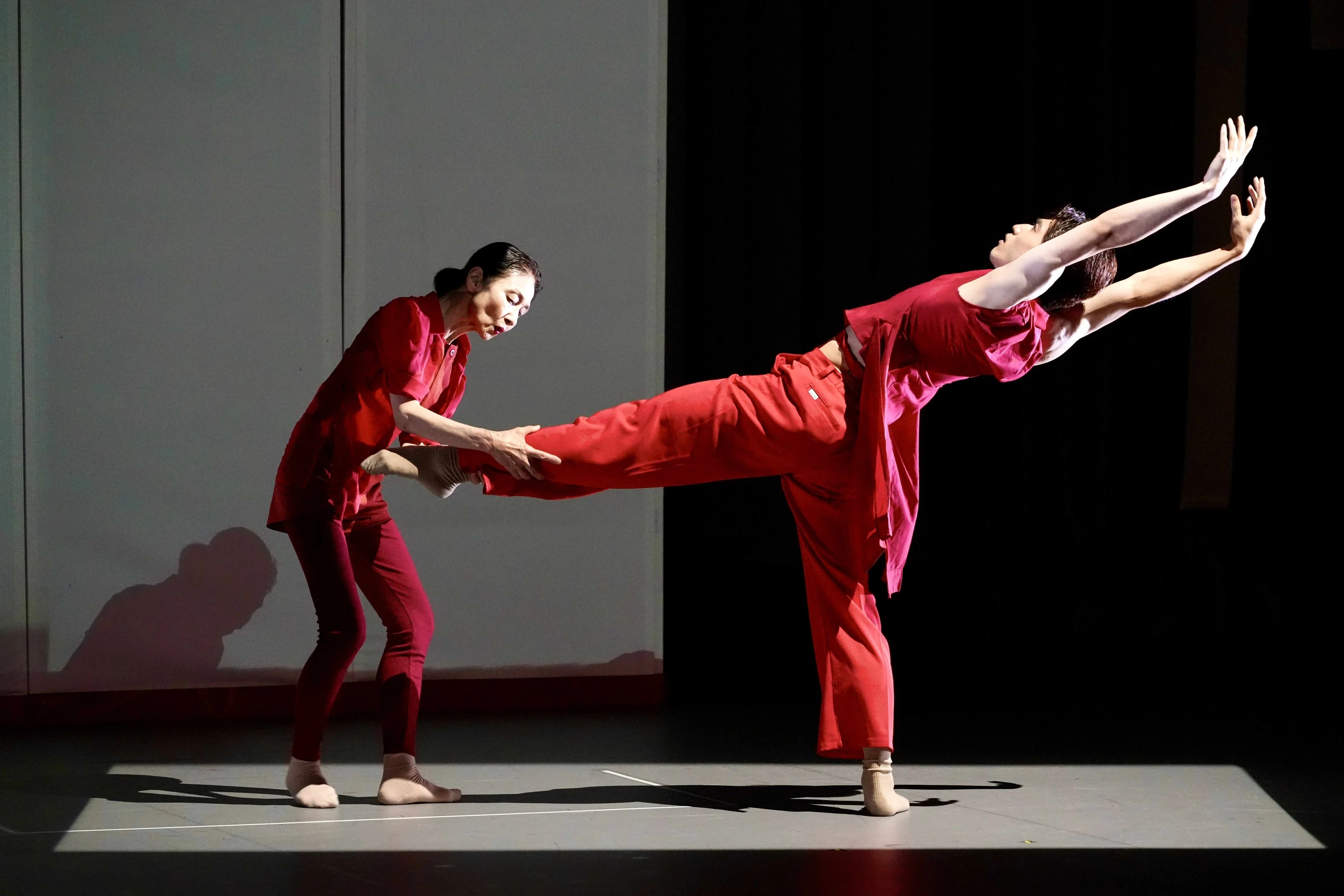
UNUM premiered at the Osaka-Kansai Expo on May 21, 2025, and then toured to Kobe and Kyoto, performing in various locations. Now, what Luthein hopes for is to stage this work in the Netherlands as well.
Starting with the close relationship of parent and child, this work brings together people with diverse physical characteristics to create a single piece of art. The awkwardness and confusion that arise precisely because they are the closest people to each other gradually change as they get to know each other through expression.
UNUM views the body not merely as a tool for dance, but as a medium for people to experience the world and communicate with others. It demonstrates the potential of the body in this way.